Organizing Committee
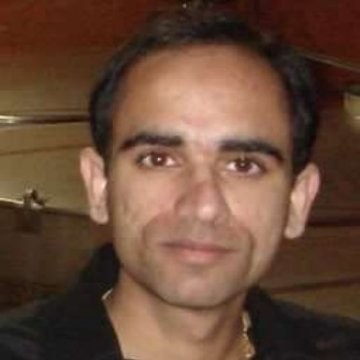
Satyam Srivastava open_in_new
Dr. Satyam Srivastava is the Chief AI Software Architect at d-Matrix Corporation. He works on building the software stack for new AI accelerators. In his prior role at Intel he worked on enabling machine learning and media systems on Intel compute architectures. His interests include machine learning, visual computing, and compute accelerators. Dr. Srivastava obtained his Doctorate degree from Purdue university (West Lafayette, IN) and Bachelor’s degree from Birla Institute of Technology and Science, Pilani (India).
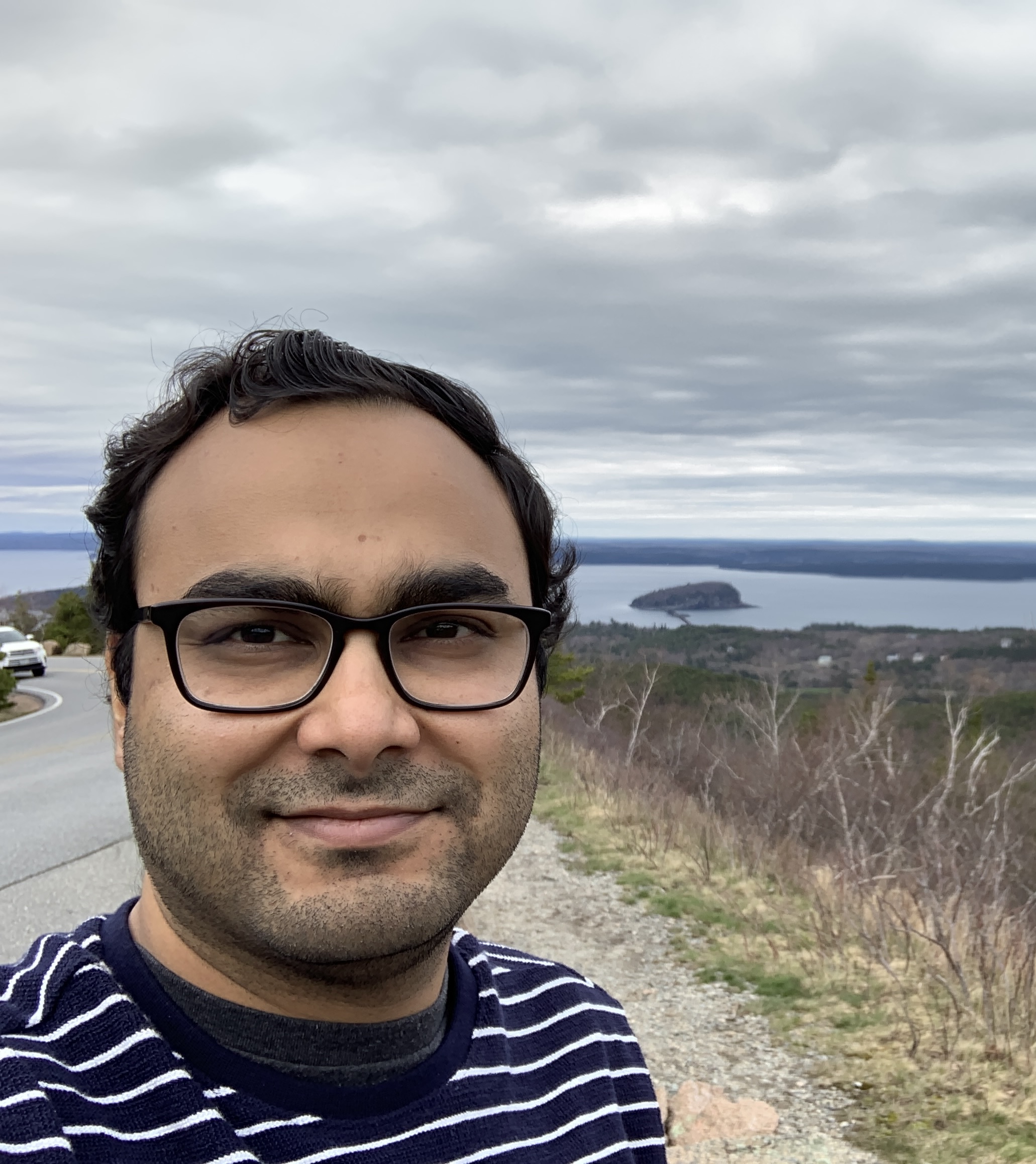
Ananya Pareek open_in_new
Ananya Pareek works in processor and system performance, spanning CPU, GPU, SoC and full-platform architecture at Apple, Google, Samsung, MediaTek and MIPS, applied recently to machine learning systems including large language model inference on datacenter GPU platforms. His interests are in hardware platforms for machine learning, hardware/software co-design, and simulation methodology for architectural exploration. He received his M.S. from the University of Rochester and B.Tech. from Indian Institute of Technology Kanpur.
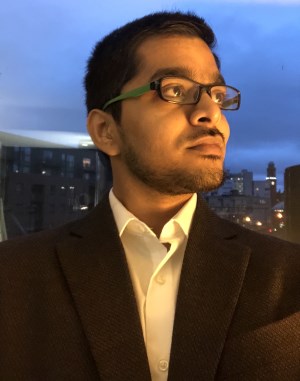
Sushant Kondguli open_in_new
Sushant Kondguli is currently a Senior Graphics Architect at Meta Reality Labs. In the past, he was a GPU Architect at the Advanced Computing Lab in Samsung where he was involved in architectural exploration, performance modeling and analysis of GPUs. His research interests are in Computer Architecture, Computer Graphics and Machine Learning. He received his PhD degree in Electrical and Computer Engineering from the University of Rochester, Rochester, NY and Bachelors in Electronics and Electrical Communication Engineering from Indian Institute of Technology, Kharagpur, India.
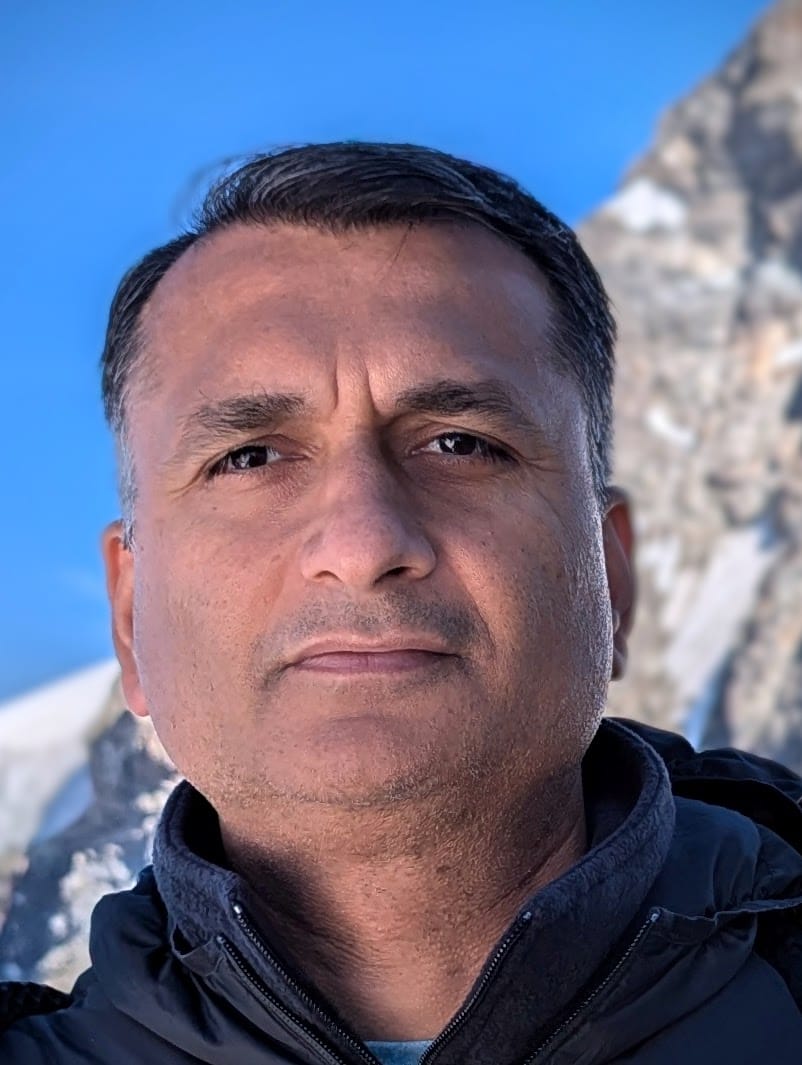
Ravi Bhuchara open_in_new
Ravi Bhuchara is a Sr. Core OS Engineer at Intel and holds an MS in EECS degree. With two decades of kernel mode driver development, he brings deep expertise in low-level system architecture to the accelerator landscape. He specializes in building foundational hardware abstraction that powers next-generation high speed data processing.
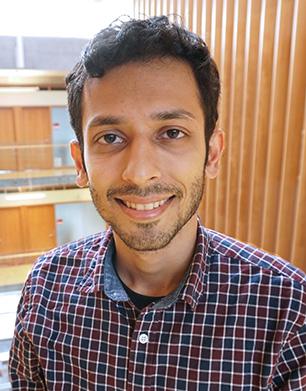
Prashant J. Nair open_in_new
Prashant J. Nair is a Senior Principal Engineer at d-matrix Inc. and an Assistant Professor at the University of British Columbia (on sabbatical/leave). His research focuses on computer architecture and systems for AI/ML. His honors include the 2024 TCCA Young Architect Award, the 2025 DSN Test of Time Award, the HPCA 2023 Best Paper Award, a MICRO 2024 Best Paper nomination, and the HPCA 2025 Distinguished Artifact Award. He has published 45+ top-tier papers, and as of 2025, is the only Assistant Professor named to all three premier computer architecture Halls of Fame: ISCA, MICRO, and HPCA.
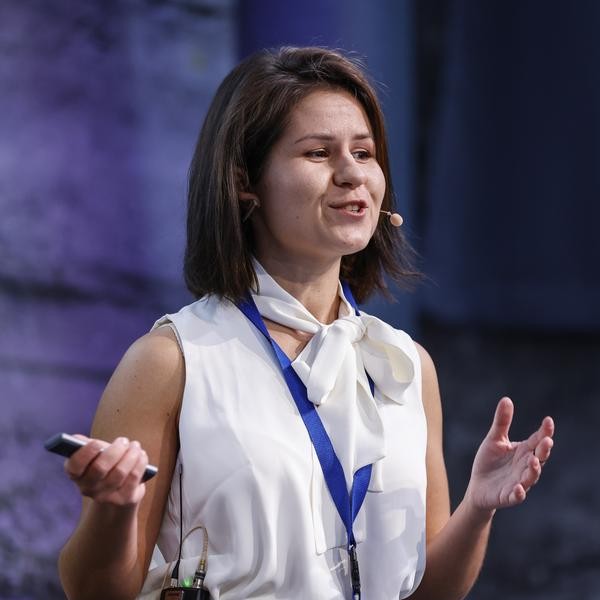
Daria Soboleva open_in_new
Daria Soboleva is a Head Research Scientist at Cerebras Systems, where she designed Mixture-of-Experts (MoE) training recipes for wafer-scale hardware and now leads model training at unprecedented scale. Previously, she built ML systems used by millions at Google and Yandex, where she invented the YATI model powering Yandex Search. She received her degree from Moscow State University.